How Advanced Internal Cushioning Stops Recurring Calluses and Foot Pain
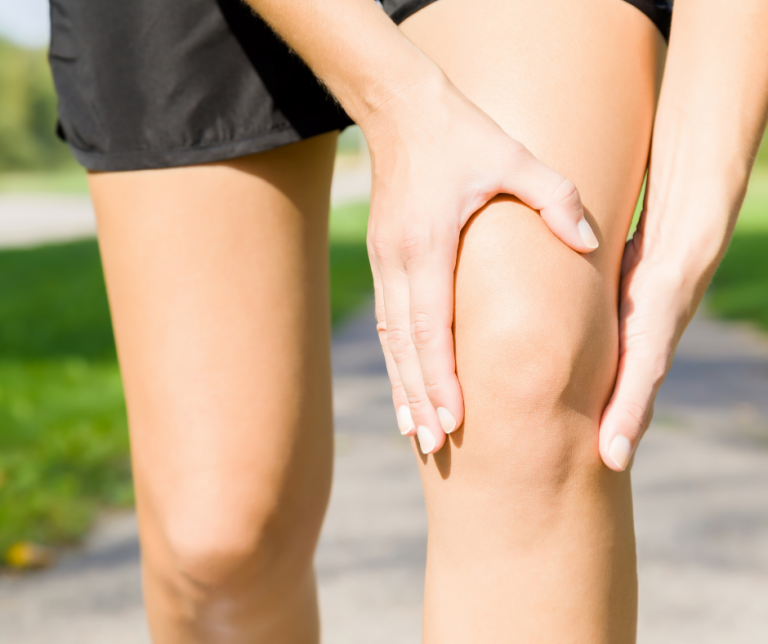
When you are living with chronic foot pain, every step can feel like a chore.
One of the most common and frustrating sources of this daily discomfort is the development of stubborn calluses.
You can soak your feet, use a pumice stone, and apply thick lotions, but the hardened skin always seems to return. To help you understand how to get rid of a callus for good, Cypress Foot & Ankle Center looks past the surface of the skin and explains what is happening to the bones and joints underneath.
Why Do Calluses Keep Coming Back?
A callus is your body’s natural defense mechanism. When a specific area of your foot is subjected to constant, severe friction or pressure, the skin rapidly builds layers of hardened, dead cells to protect the delicate tissue underneath.
Because calluses are a response to mechanical friction, they are almost always a warning sign of an underlying structural deformity:
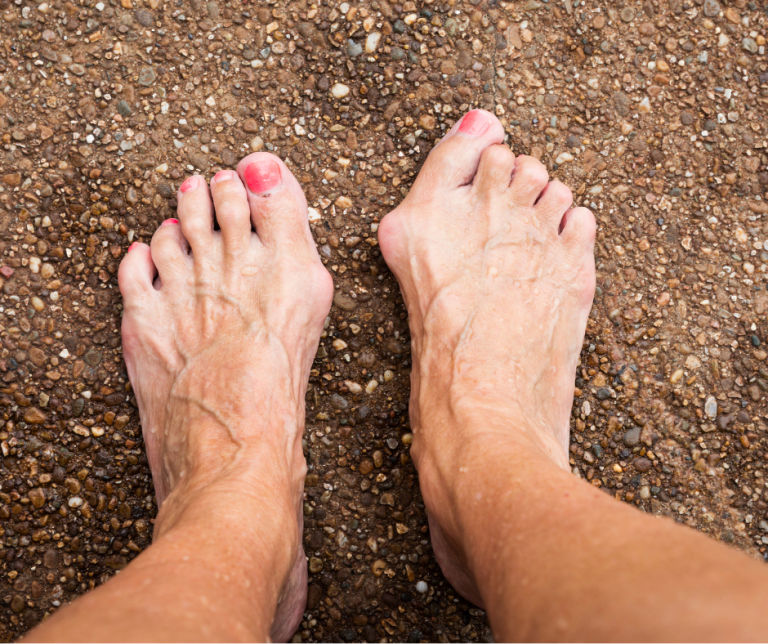
- Toe Calluses: If you have thick calluses on the tops of your joints, your toes are likely curling upward and rubbing against the rigid ceiling of your shoe. This is why understanding the flexible vs. rigid stages of hammertoes is the first step in stopping the friction.
- Side of the Foot Calluses: A hard patch of skin on the inner edge of the big toe joint is a classic sign that the joint is protruding out of alignment. Looking beyond the bump to fix a bunion at its root cause is necessary to relieve this painful pressure.
- Ball of the Foot Calluses: If a deep, burning callus forms directly under the ball of your foot, it usually means your natural fat pad has thinned out. Without that built-in shock absorber, your bone grinds directly against the floor with every step you take.
The Solution for Bottom-of-Foot Calluses
For decades, the standard treatment for painful calluses on the sole of the foot has been external “off-loading”: using thick felt pads, moleskin, or bulky shoe inserts to take the pressure off the bone.
However, external padding often shifts when you walk, leaving the area vulnerable once again. Changing your gait might even lead to unexpected complications.
But what if we could off-load the pressure from the inside out?
At Cypress Foot & Ankle Center, we utilize advanced regenerative medicine to heal complex podiatric issues. Restoring your heel’s cushion with Leneva and Microvisc provides a game-changing approach to chronic pain management and callus treatment.
How Internal Off-Loading Works
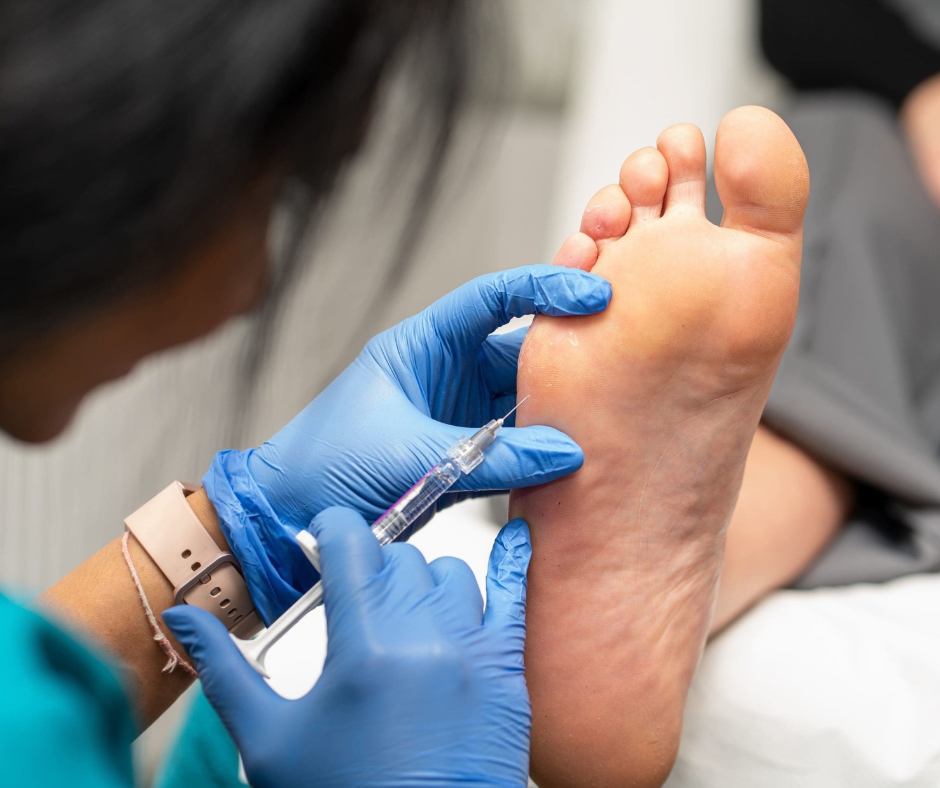
Instead of putting a pad on the outside of your shoe, Leneva and Microvisc allow us to inject a specialized protective cushion directly beneath the skin.
These sterile, injectable scaffolds provide immediate, targeted cushioning:
- Stopping Calluses at the Source: By adding a layer of natural cushioning beneath the skin, the injection prevents the underlying bone from grinding against the floor. This completely stops the friction that causes the callus to form in the first place.
- Immediate Relief: Because the cushion is injected directly into the high-pressure zone, it provides instant off-loading. You walk out of the office with a restored shock absorber, significantly reducing the deep, burning ache associated with walking on hard surfaces.
Comprehensive Care at Cypress Foot & Ankle Center
You do not have to let a stubborn callus or chronic pain dictate your mobility.
Our clinic offers a comprehensive range of podiatric services to address everything from routine skin care to advanced structural alignment. We are dedicated to finding the exact root cause of your pain and providing the most effective, lasting treatments available.
Don’t wait for the pain to worsen. We have same-day appointments available!
Whether you’re experiencing pain or simply seeking preventative care, Cypress Foot & Ankle Center offers a wide range of services to address all your foot and ankle needs. While we focus on nonsurgical treatments, our team also provides advanced surgical procedures when necessary, using the latest technologies to ensure superior outcomes. Call (281) 377-4040 or contact us online!