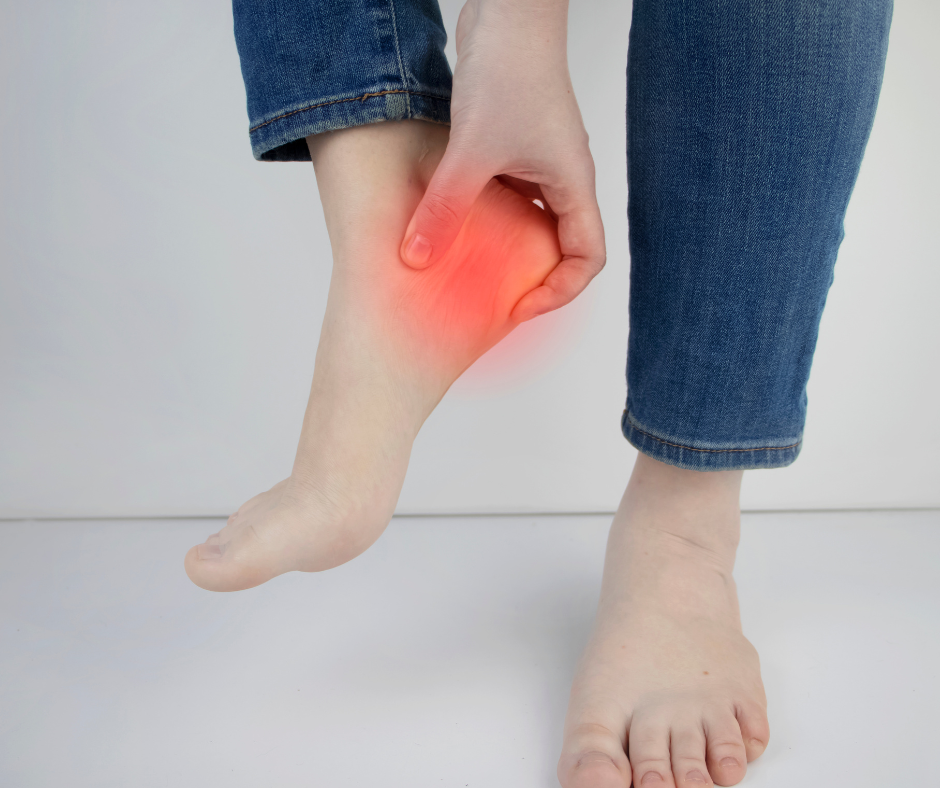
What’s the Deal With Morning Heel Pain?
The alarm clock goes off, you swing your legs out of bed, and plant your feet on the floor. That’s when it hits you: a sharp, stabbing, knife-like pain in your heel that makes you wince. For millions of people, this is the daily reality of a condition called plantar fasciitis.
This frustrating and painful issue that can turn the simple act of walking into a dreaded chore. But you don’t have to live with it. Understanding what’s causing your pain is the first step toward relief, and in this blog, Cypress Foot & Ankle Center lays out the basics!
What is Plantar Fasciitis?
Plantar fasciitis is the inflammation of the plantar fascia, a thick, web-like ligament that runs along the bottom of your foot, connecting your heel bone to your toes.
- This ligament acts as a shock absorber, supporting the arch of your foot.
- When it’s subjected to too much stress, tiny micro-tears can develop, leading to irritation, inflammation, and that signature heel pain.
What Are the Symptoms of Plantar Fasciitis?
How do you know if your heel pain is plantar fasciitis? Check for symptoms like…
- [✔] Sharp Heel Pain: A stabbing pain at the bottom of the heel that is most intense with your first few steps after waking up or after long periods of rest.
- [✔] Pain That Improves with Movement: The pain often subsides after you’ve been walking for a few minutes, as the fascia stretches out.
- [✔] Discomfort After Activity: The pain often returns and can be worse after exercise or a long day of standing, rather than during activity.
- [✔] Tenderness: The bottom of your heel may be tender to the touch.
How is Plantar Fasciitis Treated?
The great news is that most cases of plantar fasciitis can be successfully treated with conservative, non-surgical methods. The goal is to reduce inflammation and address the underlying cause of the strain.
A personalized treatment plan may include:
- Stretching Exercises: Specific stretches for your calf muscles and the plantar fascia itself are crucial for relieving tension.
- Supportive Footwear: Switching to shoes with good arch support and cushioning is a critical first step.
- Custom Orthotics: For many, custom orthotics are the key to long-term relief. These prescription inserts are tailored to your unique foot structure to correct alignment issues and properly support your arch.
- Night Splints: These devices keep the plantar fascia gently stretched overnight, which can significantly reduce that morning pain.
Don’t Suffer in Silence!
You don’t have to start every day with debilitating heel pain. With an accurate diagnosis and a comprehensive, personalized treatment plan, relief is possible!
Whether you’re experiencing pain or simply seeking preventative care, Cypress Foot & Ankle Center offers a wide range of services to address all your foot and ankle needs. While we focus on non-surgical treatments, our team also provides advanced surgical procedures when necessary, using the latest technologies to ensure superior outcomes. Call (281) 377-4040 or contact us online!