Is It Just “Growing Pains” or Sever’s Disease?
A Cypress Parent’s Guide to Cross-Country & Volleyball Heel Pain
By the time October rolls around in Cypress, the fall sports season is in full swing. It’s also the time of year when parents start noticing their 9- to 14-year-olds limping, complaining of a sharp, aching pain in the back of their heels.
A quick internet search or advice from a well-meaning coach might tell you to brush it off as typical “growing pains.” However, if your child is consistently hobbling after practice and walking on their tiptoes to avoid putting pressure on their heel, they are likely dealing with Sever’s Disease (calcaneal apophysitis).
For this blog, Cypress Foot & Ankle Center covers what you need to know about this highly common pediatric injury,why racing spikes and court shoes make it worse, and how to get your athlete back in action pain-free.
The Myth of “Growing Pains”
Sever’s Disease is not actually a disease at all. It is a repetitive stress injury localized to the growth plate at the back of the heel.
- During early puberty, children often experience rapid growth spurts where their leg bones grow faster than their muscles and tendons.
- This creates extreme tension. The Achilles tendon, which connects the calf muscle to the back of the heel, becomes incredibly tight.
- Every time your child sprints, jumps, or rapidly changes direction, that tight Achilles tendon aggressively pulls on the unprotected, still-developing cartilage of the heel’s growth plate.
Over time, this constant tug-of-war severely inflames the growth plate, causing pain.
Why Racing Spikes and Court Shoes Increase Risk
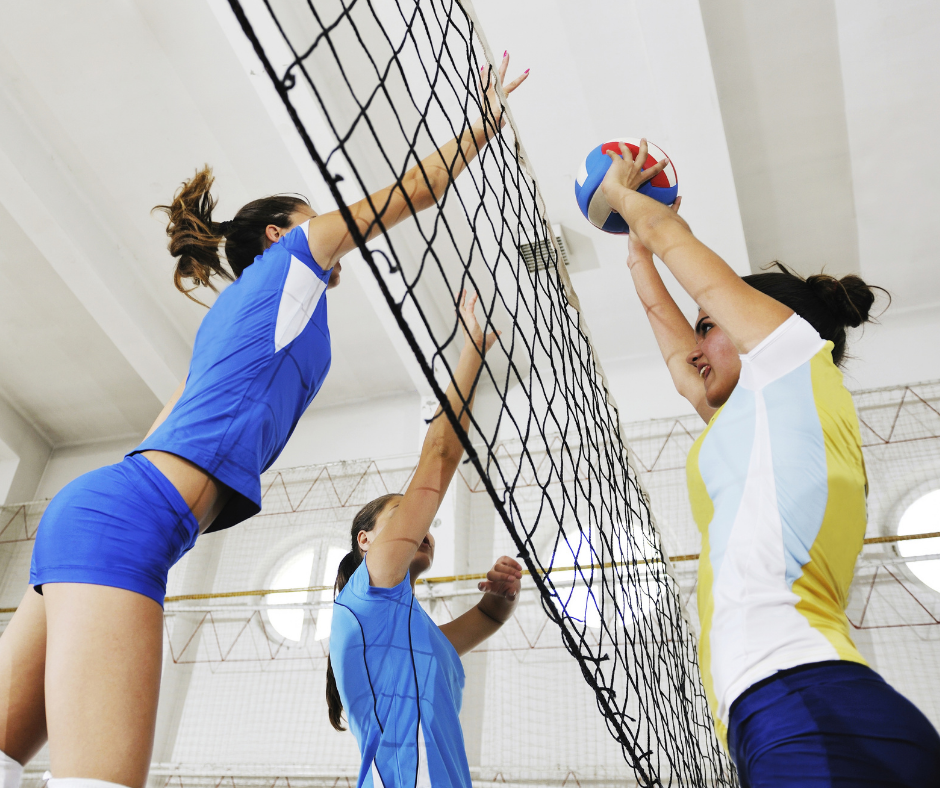
If your child runs cross-country or plays volleyball, they are at a significantly higher risk for developing Sever’s Disease. This comes down to two primary biomechanical factors:
- Zero Shock Absorption: Traditional cross-country spikes and racing flats are notoriously flat, thin, and rigid. They offer zero arch support and lack the cushioned heel drop found in standard running shoes.
- Hard Playing Surfaces: Late fall in Texas often means running on hard, dry dirt trails or jumping repeatedly on unyielding gym floors.
When you combine a tight Achilles tendon with flat, unforgiving footwear and a rock-hard playing surface, the heel bone takes the brunt of the impact with every single step.
How Cypress Foot & Ankle Treats Pediatric Heel Pain
The absolute worst thing a parent can do is encourage their child to “push through” the pain. Altering their gait to avoid stepping on their heel places dangerous stress on their knees, hips, and lower back, leading to secondary injuries.
At Cypress Foot & Ankle, we specialize in diagnosing and treating pediatric sports injuries without unnecessarily sidelining your athlete. We use two main approaches to calm the inflammation and correct the mechanical pull on the heel:
- Custom Orthotics and Heel Lifts: We often prescribe specialized heel lifts or custom orthotics to insert directly into your child’s spikes or court shoes. Elevating the heel slightly immediately reduces the tension on the Achilles tendon, taking the stress off the growth plate.
- Targeted Stretching: We guide your child through specific, clinical stretching routines designed to lengthen the calf muscles without aggravating the heel bone.
If your child is limping after practice this October, do not wait for the season to end. Contact us today to schedule a pediatric heel pain evaluation and keep your athlete in the game safely!
Whether you’re experiencing pain or simply seeking preventative care, Cypress Foot & Ankle Center offers a wide range of services to address all your foot and ankle needs. While we focus on nonsurgical treatments, our team also provides advanced surgical procedures when necessary, using the latest technologies to ensure superior outcomes. Call (281) 377-4040 or contact us online!